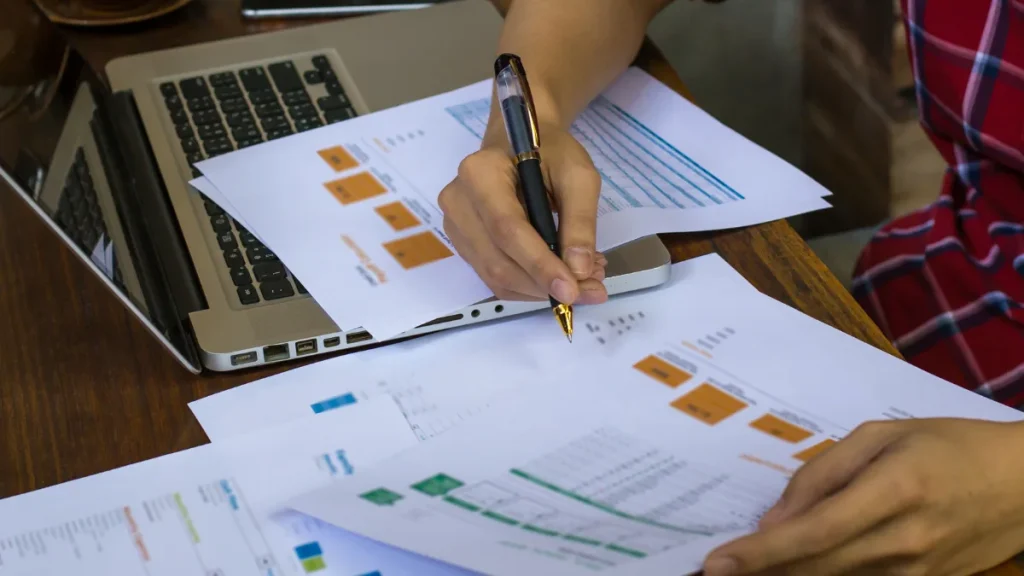
What to prepare before your company’s year-end accounts
Year-end accounts are easier to prepare when your accountant receives complete records and clear explanations. Bringing the information together early also gives you time to discuss the results, rather than using the whole meeting to chase missing documents. Start with the company’s actual financial year-end and an agreed handover date.
Agree the scope and timetable
Ask your accountant what they need, how they want to receive it and who will deal with queries. Annual accounts, the Company Tax Return and tax payments have separate deadlines, so confirm the dates that apply to your company.
Tell them about significant changes during the year. These could include new borrowing, a premises move, a major equipment purchase, changes involving directors or an unusual transaction. An explanation supplied early can prevent repeated questions later.
Butler Cook’s accounting service includes annual accounts and financial reporting. Agreeing the handover process in advance helps both sides work from the same information and expectations.
Complete the routine reconciliations
Bring bookkeeping up to date through the year-end and reconcile bank accounts, company cards and other payment accounts to their statements. Check that the statements cover the closing date and that outstanding differences have an explanation.
Review customer and supplier balances. Identify unpaid invoices, disputes, credits and amounts you believe may not be recoverable. Your accountant needs the facts to assess the accounting treatment; do not quietly remove a balance because it seems unlikely to be paid.
Provide the records behind payroll, VAT and other relevant liabilities. If information is held by another provider, arrange access or an agreed export rather than assuming your accountant already has it.
Gather information beyond the bank account
The bank records alone will not explain everything in the accounts. Your accountant may need details of stock, work in progress, assets, loans and transactions involving the directors.
- Year-end stock quantities and the basis used to value them
- Work completed or underway that has not yet been invoiced
- Assets bought, sold or no longer in use
- Loan statements and finance agreements
- Payments made by or to directors, with supporting explanations
- Significant commitments and events after the year-end
Keep the supporting documents with the relevant item. An equipment invoice, finance agreement and bank payment may describe different parts of the same transaction, so your accountant may need all three.
Highlight costs or income that relate to a different period, such as an annual subscription paid before the year-end or a supplier invoice arriving afterwards. Explain what the item covers and let your accountant assess the adjustment.
Use the accounts review to ask useful questions
Prepare a short list of questions before the meeting. Why did the margin change? What is behind the difference between profit and cash? Which balances need closer attention next year? These questions turn the accounts into a discussion about the business.
Read the draft accounts and raise anything you do not understand before approval. Check the company details and make sure the figures reflect the transactions and circumstances you have explained.
After the review, agree any improvements to the monthly record-keeping process. Resolving a recurring gap during the year is usually more manageable than rediscovering it at the next year-end.
If your company’s year-end is approaching, send Butler Cook an enquiry using the form alongside this article to discuss what to prepare.